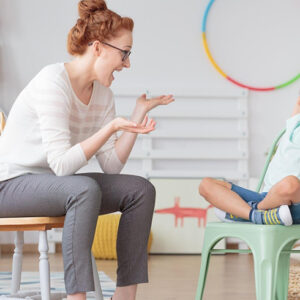
Compassionate speech therapy for selective mutism. Reduce anxiety and unlock communication in supportive steps. Glasgow-based.
Understanding Selective Mutism
Selective mutism is a complex anxiety disorder characterized by a child’s inability to speak in certain social situations despite speaking comfortably in others. For example, a child may be talkative at home but remain silent at school or in public settings. This condition is not a choice or wilful refusal to speak; rather, it stems from intense anxiety that inhibits speech in specific environments.
According to the Royal College of Speech and Language Therapists (RCSLT), early intervention is crucial to support effective communication development and to mitigate potential impacts on social interaction and learning.
Leading experts in the field, emphasize that selective mutism often coexists with other communication challenges, making comprehensive assessment and individualized intervention essential.
Help
What We Can Offer to Help
At Speech Therapy Talks, we offer specialized support for children with selective mutism:
Comprehensive Assessment
Conducting in-depth evaluations to understand your child's specific challenges, including observations across different settings and consultations with parents and educators.
Individualized Therapy Plans
Developing personalized, step-by-step intervention strategies that gradually encourage speech in anxiety-provoking situations, utilizing evidence-based techniques such as stimulus fading, desensitization, and positive reinforcement.
Family and Educator Collaboration
Working closely with families and school staff to create supportive environments that reduce anxiety and facilitate communication, providing training and resources to implement consistent strategies across settings.
Anxiety Management Integration
Incorporating approaches to address the underlying anxiety associated with selective mutism, ensuring that therapy addresses both the emotional and communicative needs of the child.
— How it works?
Simple Steps to a Confident Communicator
“Of all the life skills available to us, communication is perhaps the most empowering.” – Bret Morrison
Ready to start?
Helping anxious or withdrawn children find their voice through consistent, collaborative support — at home, in school, and beyond.
While shyness may involve reluctance to engage, selective mutism is characterized by a consistent inability to speak in specific situations due to intense anxiety, despite speaking comfortably in others.
Without appropriate support, selective mutism can persist and potentially lead to further social and emotional challenges. Early, targeted intervention is crucial for effective resolution.
Diagnosis involves comprehensive assessments by professionals, including observations across settings and gathering detailed developmental and behavioral histories, to differentiate selective mutism from other communication disorders.
Parents and teachers are integral to treatment, providing consistent support and implementing strategies designed to reduce anxiety and encourage communication in everyday environments.
Yes, therapy may include techniques like stimulus fading (gradually introducing new communication partners), desensitization (reducing sensitivity to anxiety-provoking situations), and positive reinforcement to encourage and reward attempts at communication.